I’ve been deep diving into the topic of digital minimalism. For me, it has been the re-acquaintance with technology in a healthier more structured way.

This feeling started when I switched to Linux. Having total control of my computer and it just doing what I want felt nostalgic. I never realize how much Windows fought tooth and nail against the user to protect itself.

The total control of my PC led me to consider my interaction with social media so I switched to following RSS feeds of websites I wanted to see.

I realized through some sort of withdrawal reaction my phone became a bigger distraction for me. Short form content is like crack for me.

Instagram reels were my worst. I deleted the app altogether only to find myself on X’s version of shorts. Hell I even started watching them on Facebook.
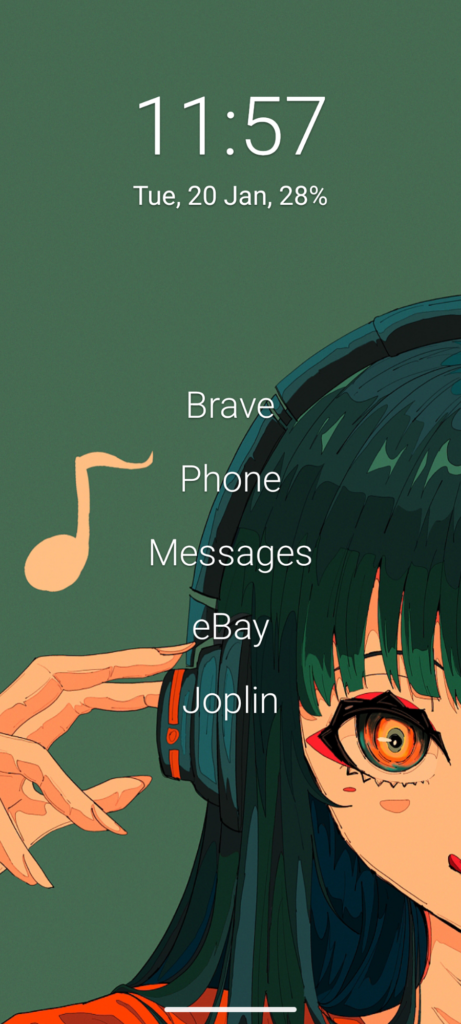
Switching my phone to Linux is something I considered, but I have enough problems still on my desktop I don’t want to risk it. So for the moment I installed a minimalist open source launcher OLauncher.
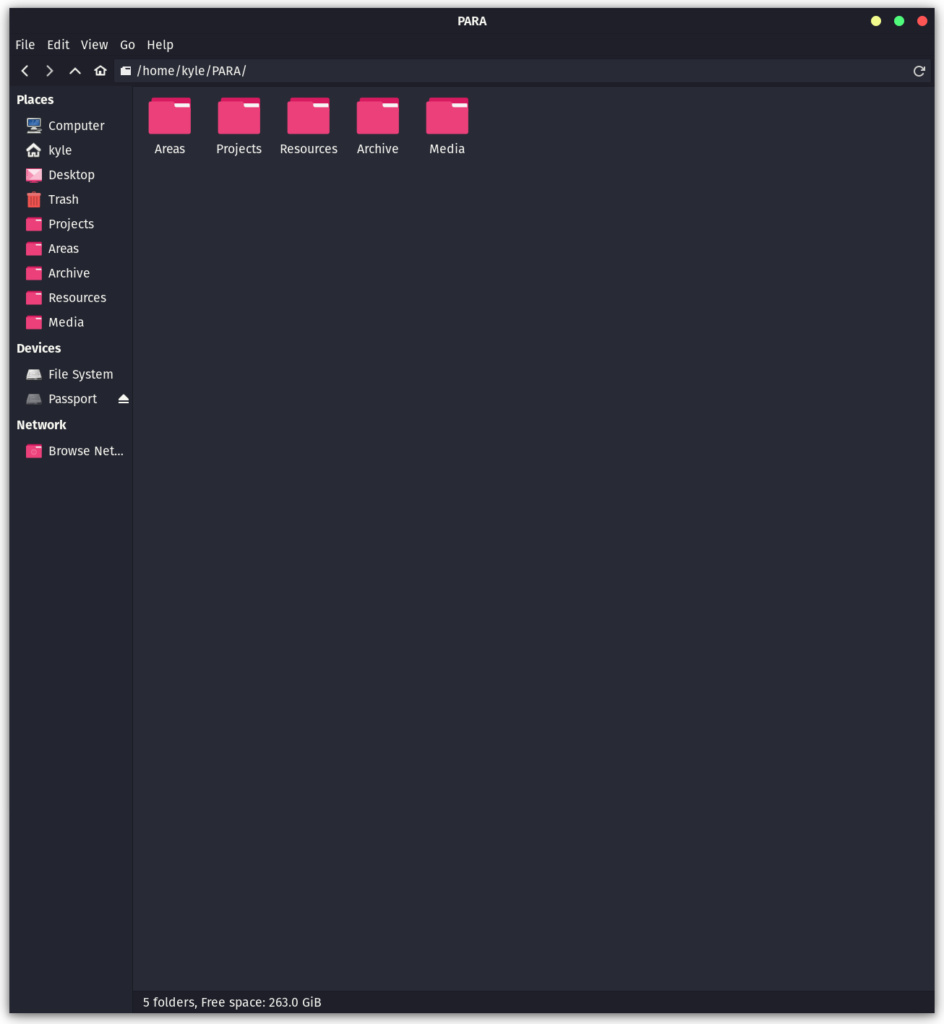
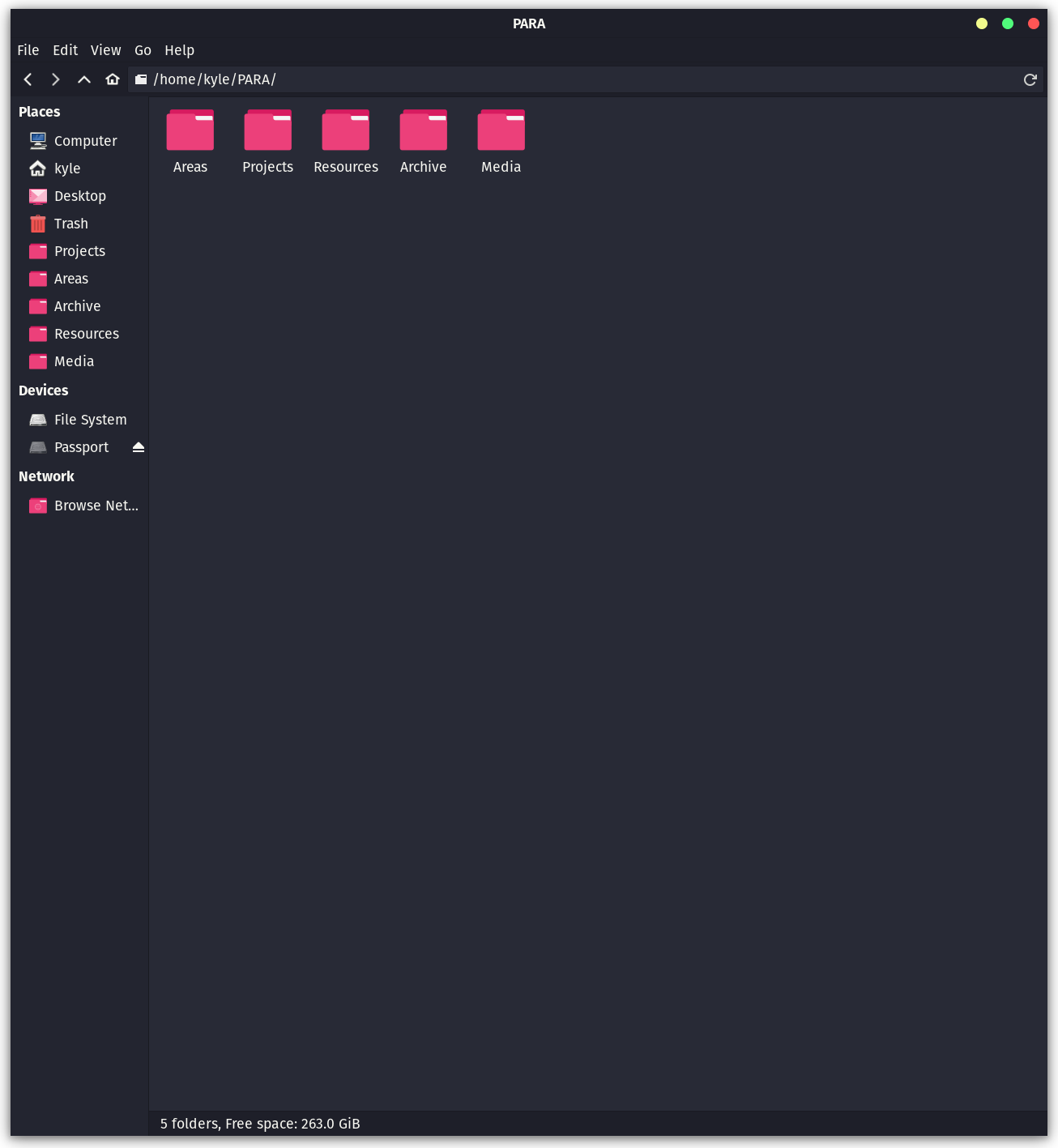
So far all these changes have felt great and I’ve had the feeling of more control and purpose of my time. I’m continuing this trend with a revamp of my entire file system to the PARA method developed by Tiago Forte.

All of this is really to say what I’ve been up to last few weeks.
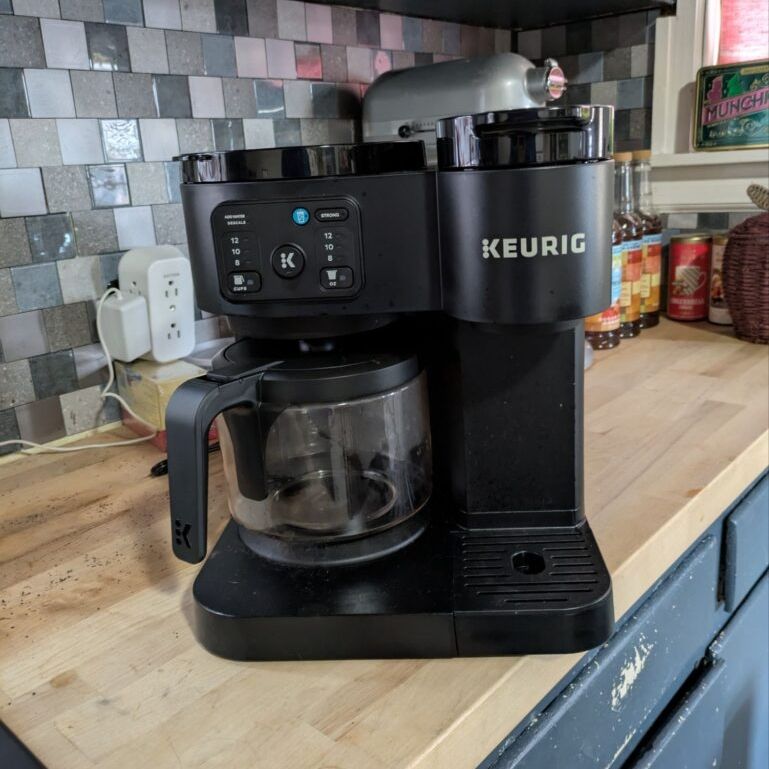
I woke up yesterday morning and shuffled through my routine. It was time to make coffee. I loaded up the filter, filled the water reservoir, and then nothing.

The Keurig I bought for my wife and I less than six months ago was completely unresponsive.

The Keurig Duo Essentials Gen 2 was the third Keurig coffee machine I’ve purchased. My wife uses K-cups. I’m old fashioned and make a full pot each morning. The Duo made sense because it handled both.

Our first Keurig was one of the original models and only supported K-cups. It lasted several years before needing replacement. I didn’t think much of it at the time and upgraded to one of the first Duos.

That first Duo only lasted a year. Frustrating, but the convenience kept me hooked. So, on September 9th, 2025, I bought another Keurig, and it was dead by January 2nd, 2026.

The short lifespan alone is bad enough, but what really turned me off was how Keurig handled it.

The troubleshooting process is basically non-existent. Plug it in. Does it work? Plug in another device — does that work? Yes? Okay, nothing else to check. We’ll send a replacement.

These machines cost anywhere from $75–$200 and that’s the extent of the effort? Keurig knows these units are disposable. They expect customers to keep replacing them. And the dead ones? They end up in a landfill. What a waste.

It occurred to me that I’ve probably brewed more coffee with a $15 Mr. Coffee maker from 20 years ago than with all the Keurigs I’ve owned combined.

Many Keurig owners have traced the failure to a thermal fuse switch that simply dies. The machines aren’t designed to be easily repaired, but some frugal DIYers have taken it upon themselves to revive what are otherwise throwaway appliances.

I’ll use the warranty replacement Keurig is sending me until it fails. I may even try to fix the dead machine sitting on my counter, if only to prove a point. But after this, I’m done buying Keurigs.